From sketch to viz
In this presentation, I share how I come up with ideas and what inspires me. It’s basically about how things never quite go the way I expect them to.
1. Think about the problem your reader might have
When I started my Political Science master’s in Poland, my entrance exam was an oral test on… Polish politics. I passed, but only after cramming a 700-page book in a month and memorizing every politician, party, and scandal.
I’m a visual thinker, so I tried to picture this chaos of parties bumping into each other in my head because everything online looked like… this 👇 and made me even more confused.
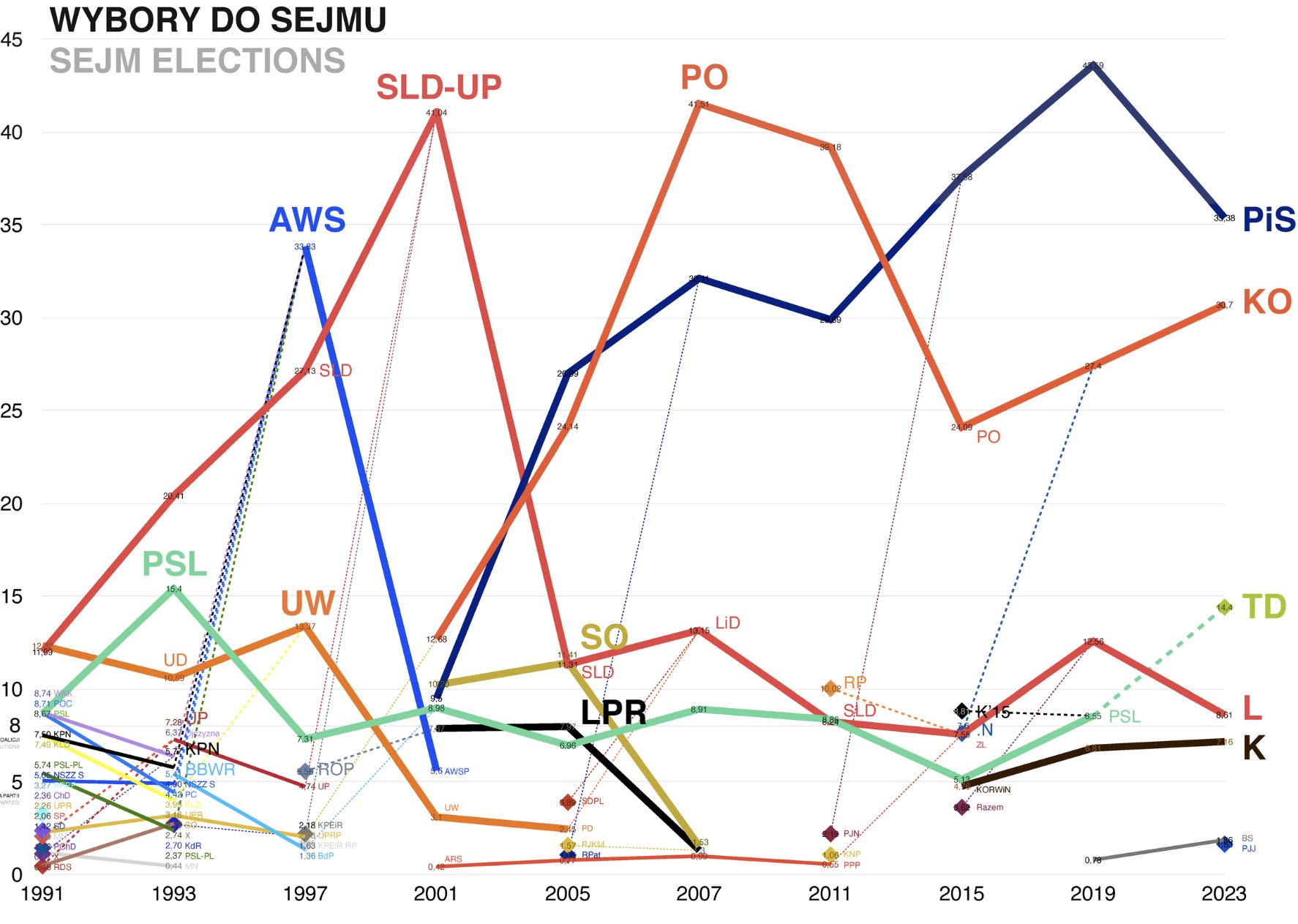
Fast-forward to 2025: when I learned my friend was writing a big piece about Polish politics, I convinced his newsroom they needed a visualization because, honestly, outside the academic bubble, no one remembers what parties even existed in the ’90s. I figured a good way to show the past is to make it look like the past. And when you google “history of political parties,” everything you see is… the US, of course. So this was supposed to inspire me:
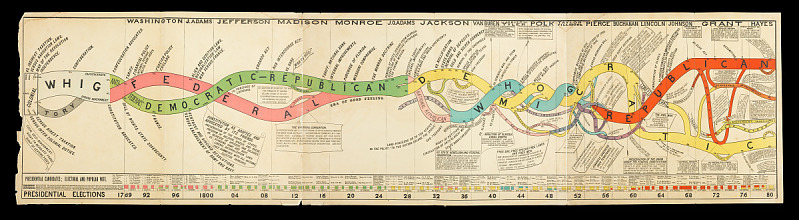
Now here’s what the process looked like:
| Sketch | Adding data | Refining the SVG | Final outcome |
|---|---|---|---|
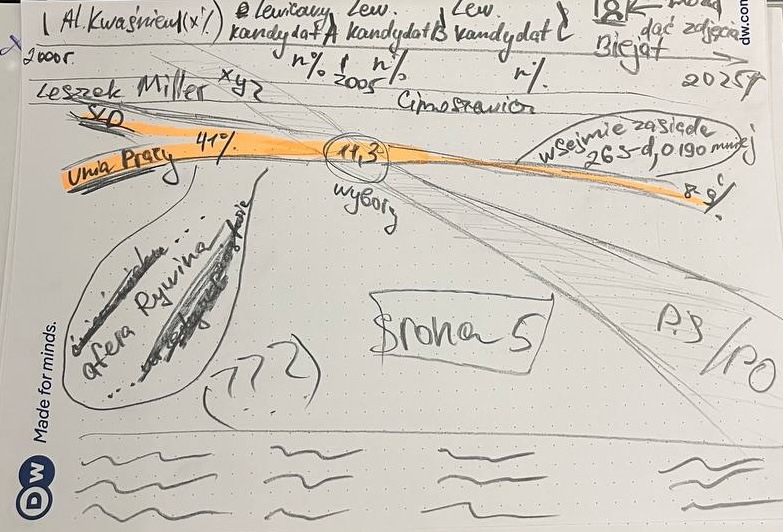 | 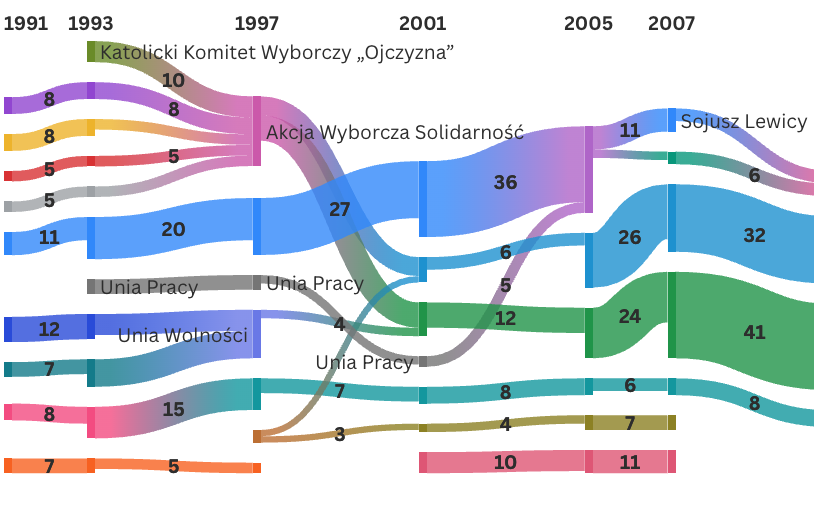 | 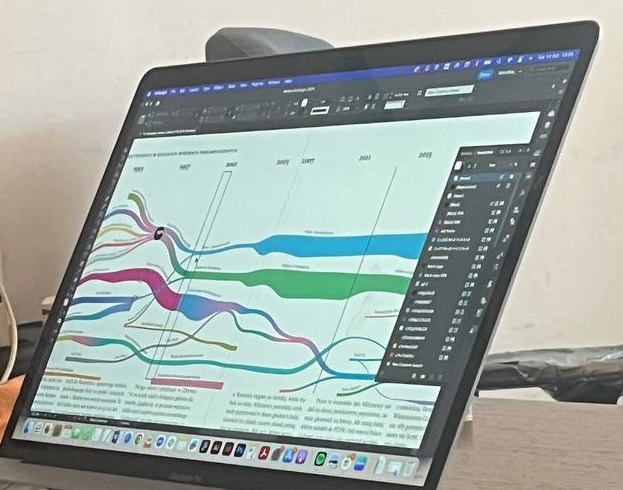 | 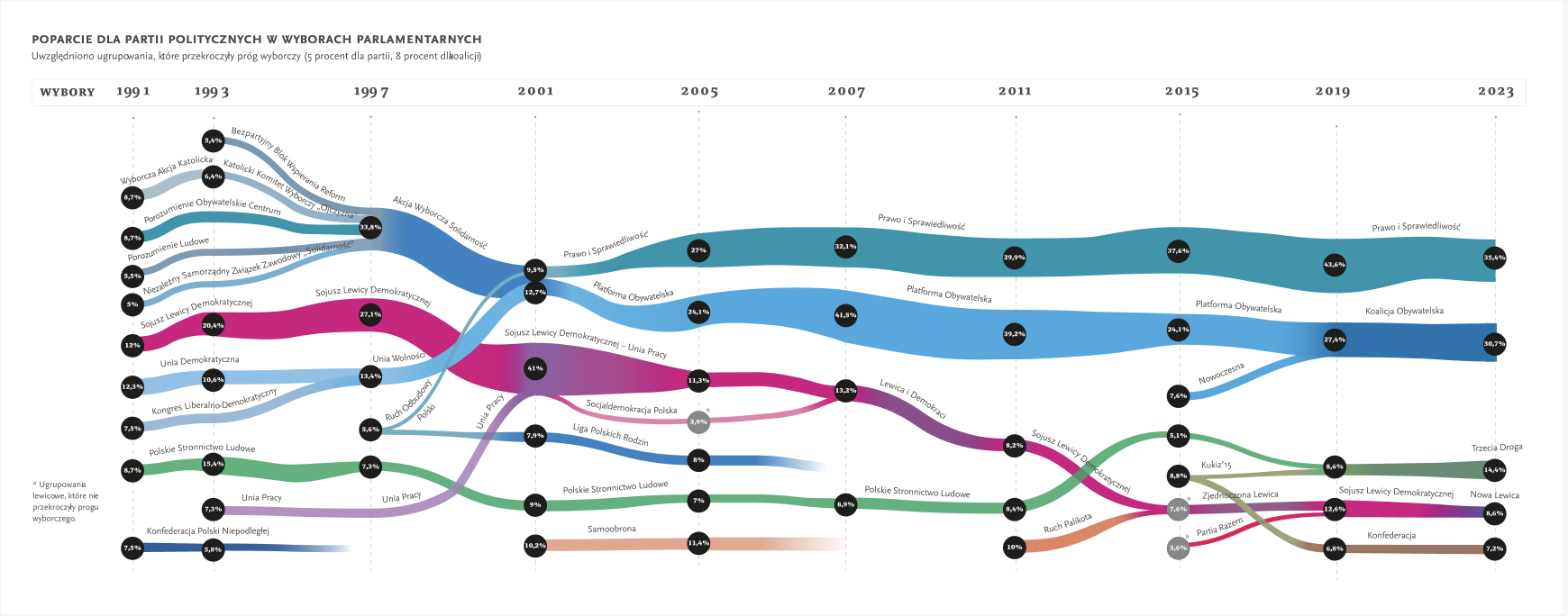 |
| Once I had a vague idea of the structure, I started with a pencil and a highlighter. | Then I scraped a bunch of Wikipedia pages with election results to feel my sketch with data. I could’ve also just copy-pasted into spreadsheets. | A Sankey template from Flourish became an SVG, then took a trip to Illustrator to get cleaned up and styled. | Now compare it to the inspiration. You might think: “Well, at least she tried.” Exactly. Things never go the way you plan but no one knows your original plan anyway, so who cares! |
2. Don’t be shy, ask people you admire for advice
When I’m totally out of ideas, I go to people who are better than me. You won’t be as brilliant as someone who has shipped hundreds of projects, but you can borrow their experience.
Here is a couple of examples of how people spark ideas for me.
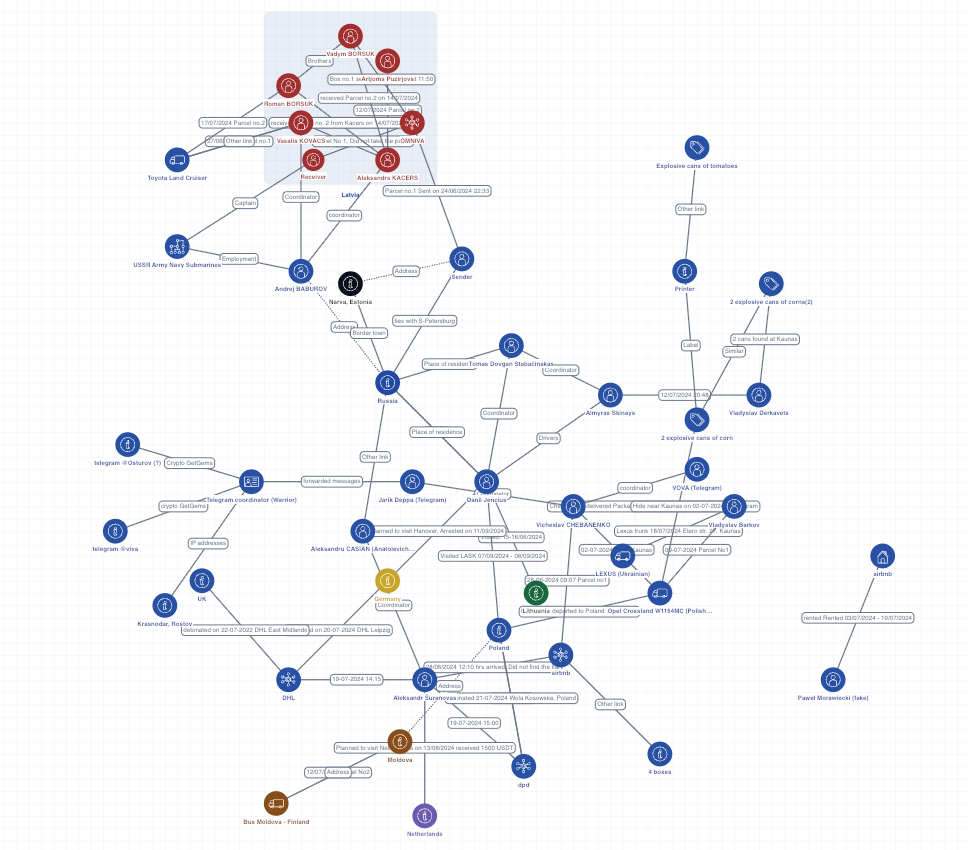
Youyou Zhou, a graphic reporter at WaPo, helped me with sabotage project.
 |  | ||
|---|---|---|---|
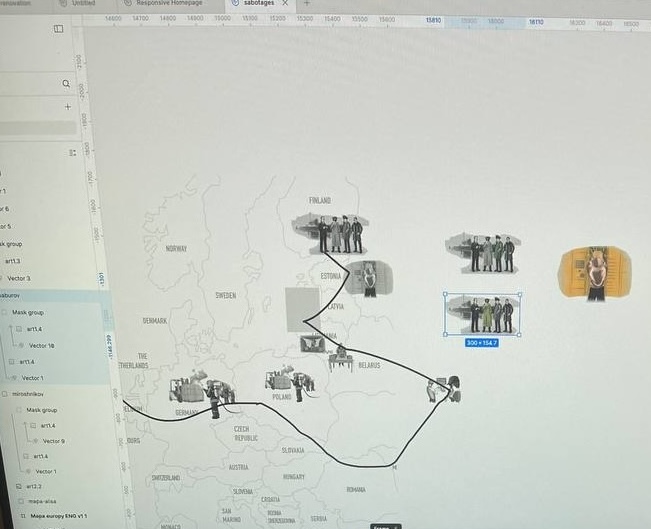
| I needed to tell a long, winding story full of unfamiliar names. This is what I showed Youyou. | She suggested a subtle moving-camera effect, like some WaPo author did to guide the reader through his piece. | Here’s a quick mock-up that shows how the motion helps you keep track of who’s who. | And yes, I absolutely stole that trick for my piece! |
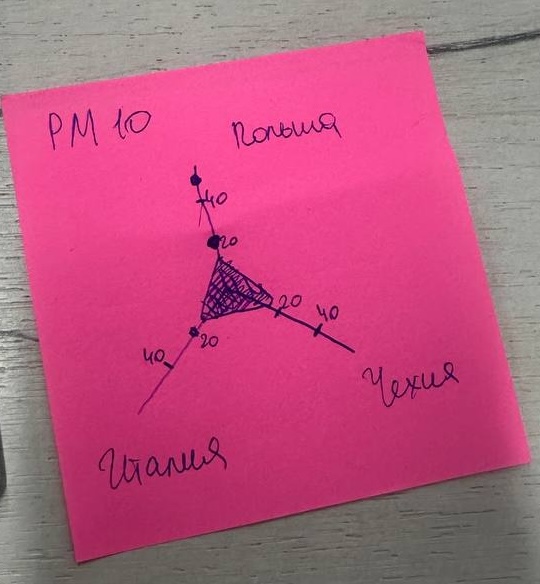
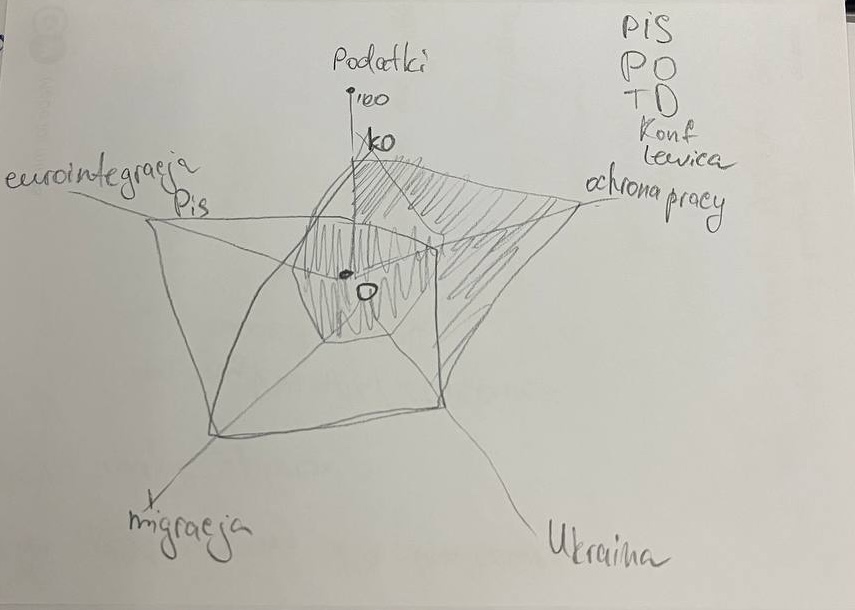
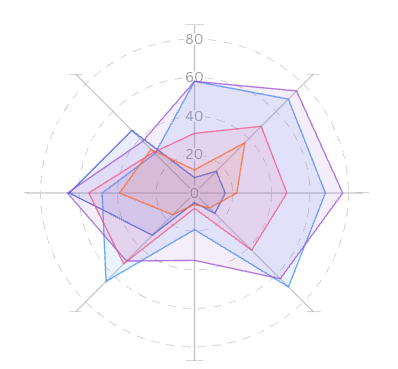
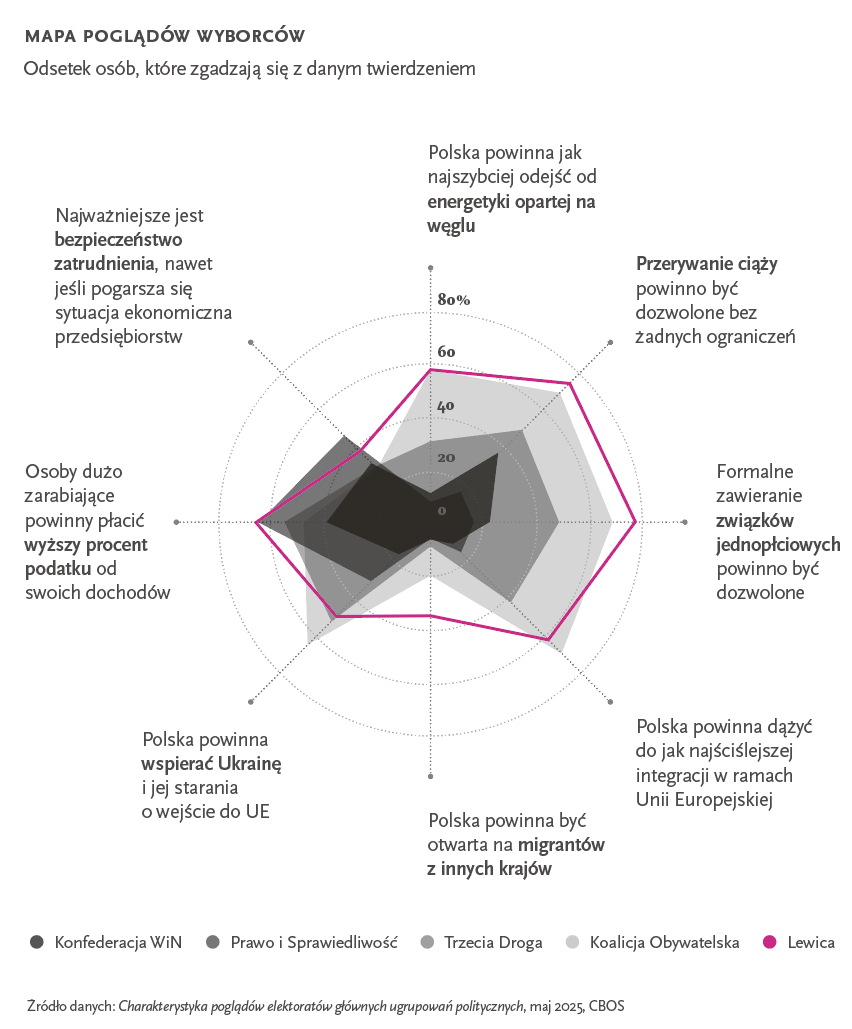
Katya Mamyan, a data journalist from Armenia, helped me shape an idea for a radar diagram on political preferences in Poland.
 |  |  |  |
|---|---|---|---|
| Katya’s sketch. | My version with story-specific data. | A radar diagram built in Flourish. | Final print-ready version. |
People are happy when they can help you; you’re happy because you learn something new. Everyone is happy and that’s beautiful!
3. “Exposure” is nice. Turning what you see into a project is better.
A lot of people will tell you that visual exposure is important. I’d say when you see something interesting, immediately think about how you could weave it into something you’ve worked on or plan to.
 |  |  |
|---|---|---|
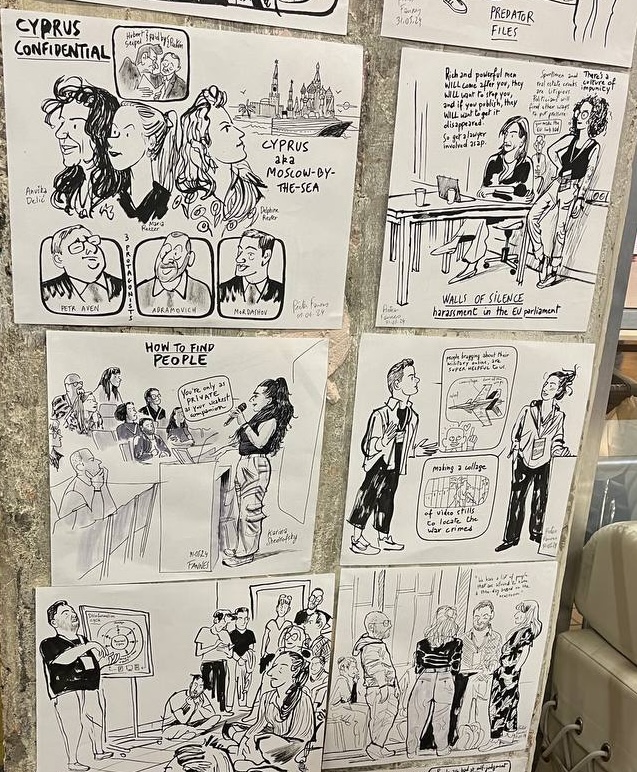
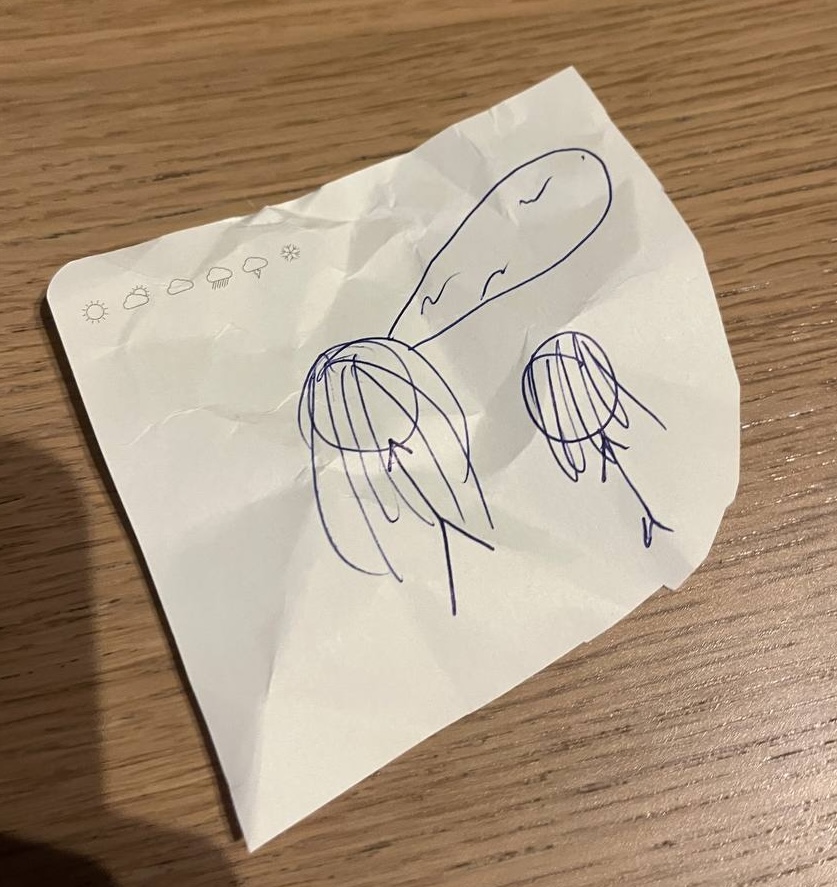
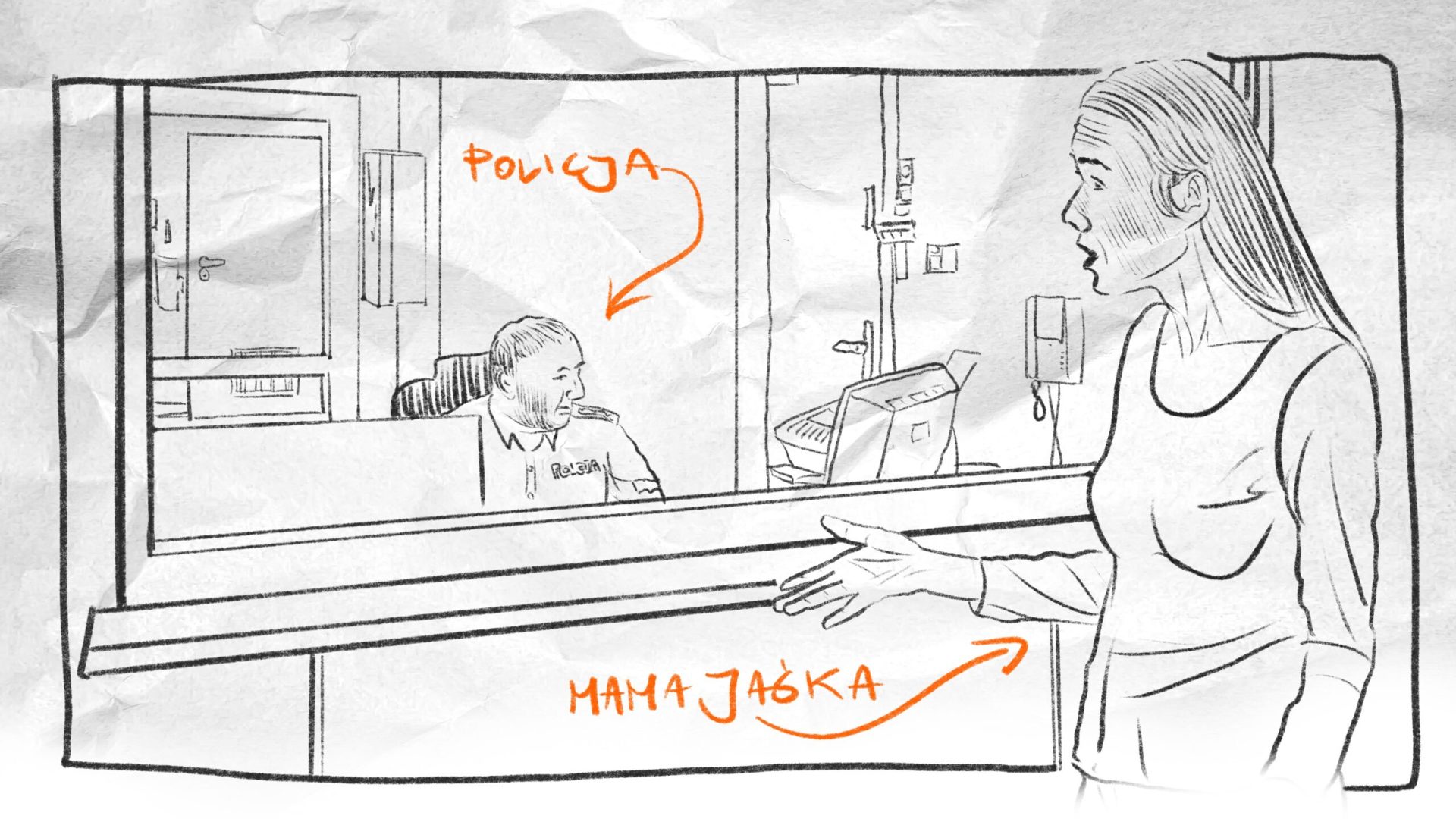
| The Dataharvest conference invites an artist to capture moments from the workshops. The caricatures are gorgeous, I’ve wanted to bring that idea into one of my stories ever since I saw them. | For a story about drugs, we hired an illustrator and I sent this brief. | And here’s what the illustrator came up with. |
4. Finally, find people who believe in your ideas and support you.






Also, don’t forget to tell them when you really love their work!
A little action often sparks a lot of momentum. Email me if you think I can help you with anything: nst.morozova13@gmail.com